Project Methodology
Our team follows an Agile methodology, specifically adopting practices from Scrum (Schwaber & Sutherland, 2020), adapted to a lightweight, weekly-to-biweekly cadence to accommodate variable member availability across coursework. We chose this approach over a more rigid framework like Waterfall because our requirements have evolved iteratively as we've built out the editor, and Scrum's short feedback loops let us adjust task allocation and priorities each sync-up rather than committing to a fixed plan upfront.
1. Agile Framework & Communication
- Sprint Meetings: The project follows an iterative Agile methodology, utilizing regular sprint meetings to sync on progress.
- Team Collaboration: Team communication and screen-sharing sessions (such as reviewing project briefs and extracting requirements) are hosted primarily on Discord.
2. Task & Issue Management
- Platform: Gitea is used as the central hub for tracking project milestones, issues, and overall repository management.
- Categorization: Tasks are actively categorized using labels such as "Documentation" and "Work allocation" to keep the backlog organized.
- Allocation: Specific issues (like editor styling, deployment, and documentation) are explicitly assigned to team members (e.g., Kauch, altairakami) to establish clear accountability.
3. Version Control & Git Strategy
- Branching Model: The team employs a structured branching strategy using prefixes to define the type of work being done, such as
feature/(e.g.,feature/machine-parser),refact/orrefactor/(e.g.,refact/visual-editor),fix/, andbuild/. - Integration Flow: Work is not pushed directly to production; instead, branches are merged via Pull Requests into intermediate branches like
devorrefact/project-structurebefore eventually being merged intomain. - Continuous Integration: The repository utilizes automated CI workflows for deployment and package management tasks, such as adding
pnpminstallations and deployment pipelines.
4. Documentation Strategy
- Centralized Docs: Documentation is treated as a first-class citizen in the development roadmap, tracked via dedicated Gitea issues.
- Tooling: The team is utilizing Docusaurus to build and maintain the project's formal documentation site.
- Scope: Documentation deliverables include the project methodology, Git methodology, tech stack details, installation instructions, and architectural diagrams.
Evidence of Use
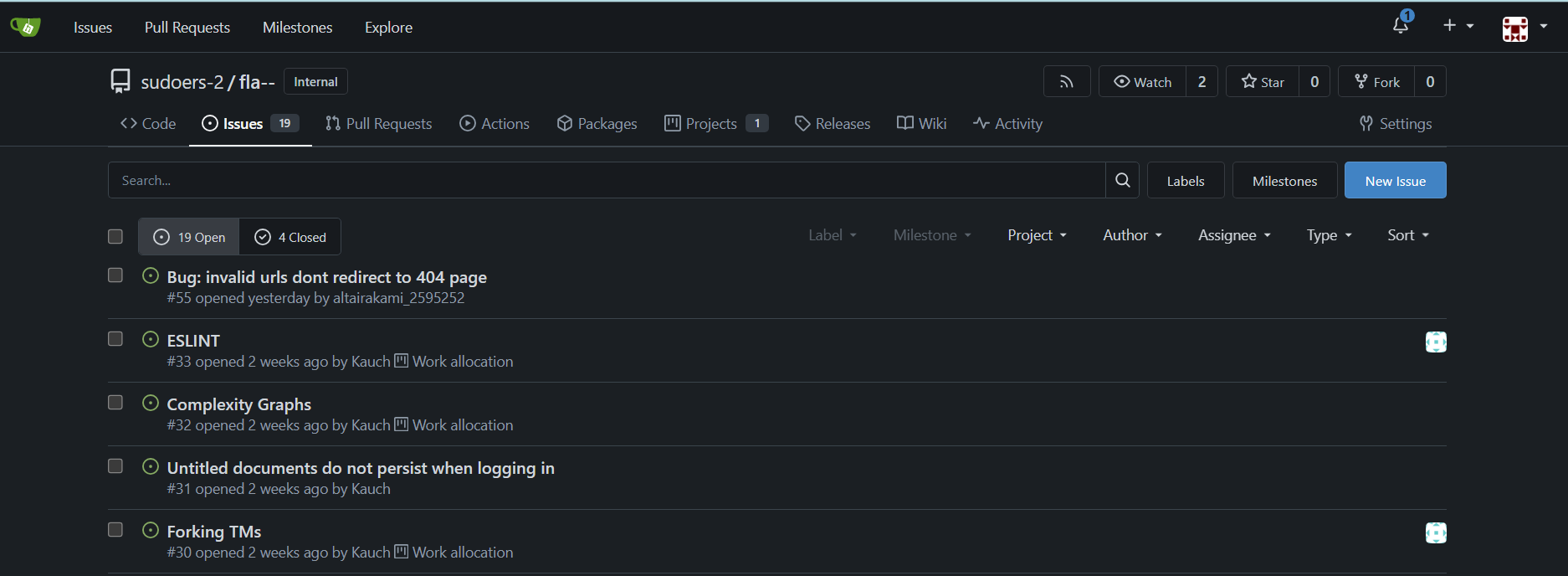 Figure 1: Screenshot of Gitea Issues list, showing labelled and assigned tasks
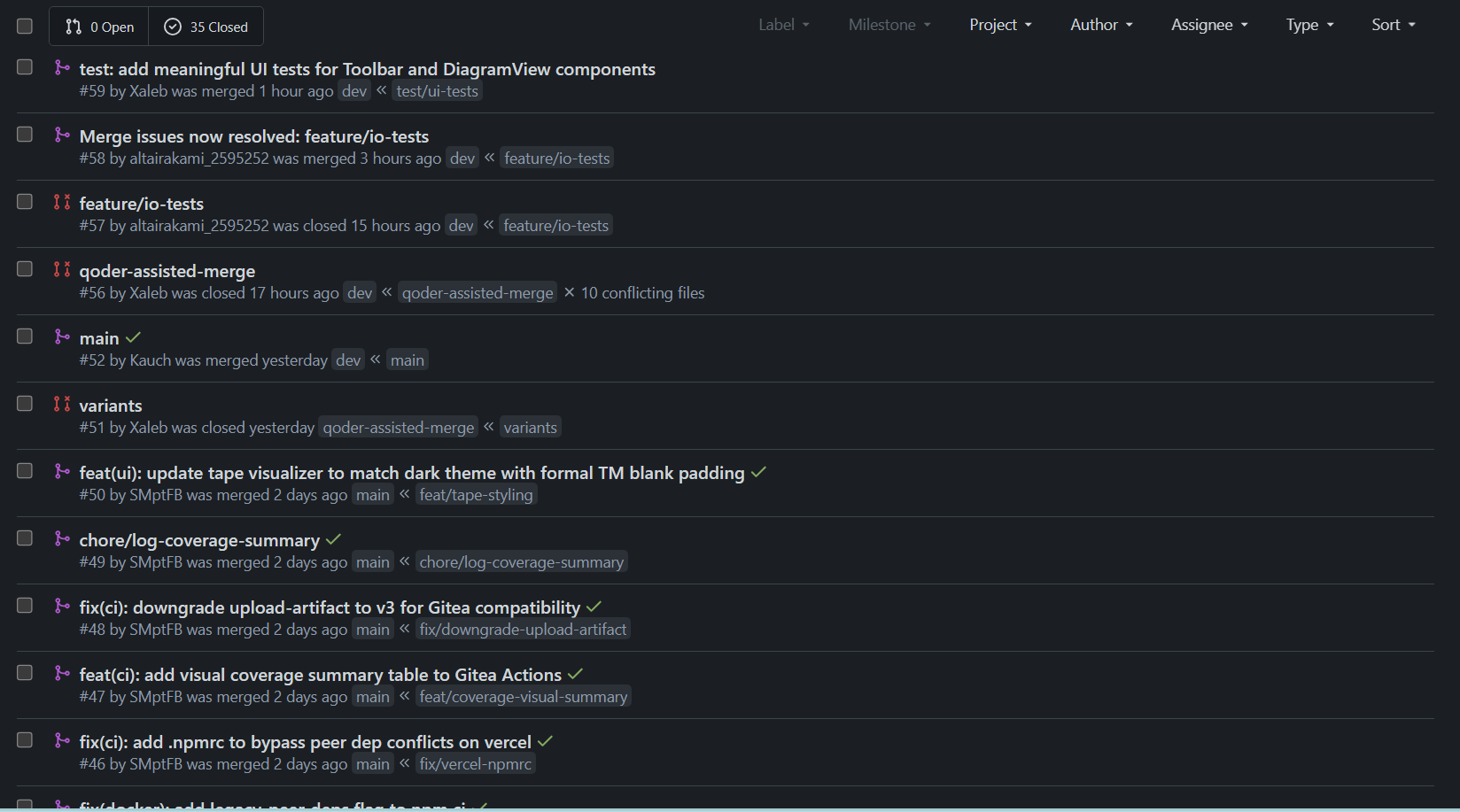 Figure 2: Screenshot of Gitea Pull Requests, showing branch-based merge workflow
Figure 3: Screenshots of three dated sprint meetings (1, 9, and 10 September 2026), showing team attendance and screen-sharing sessions
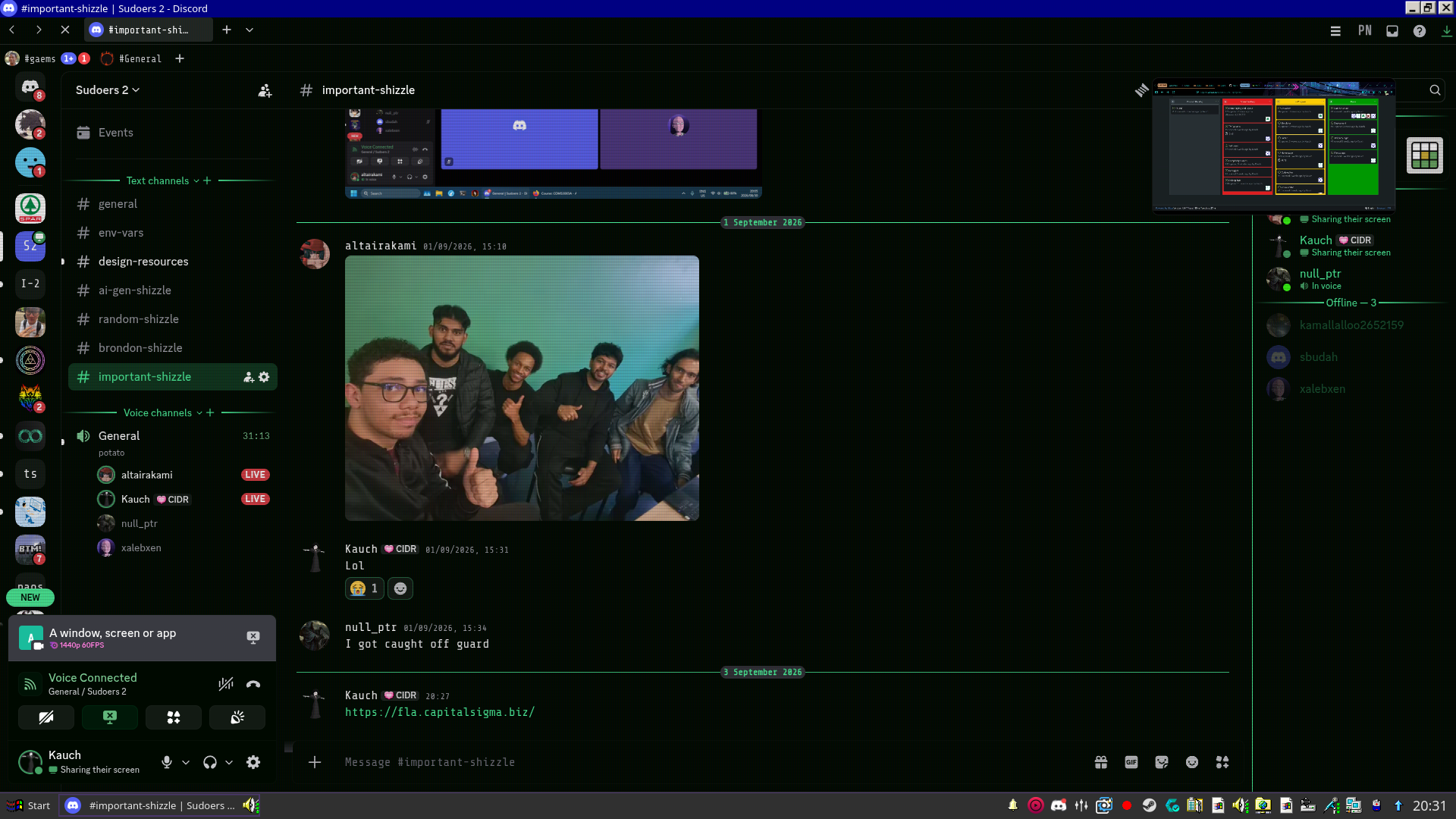
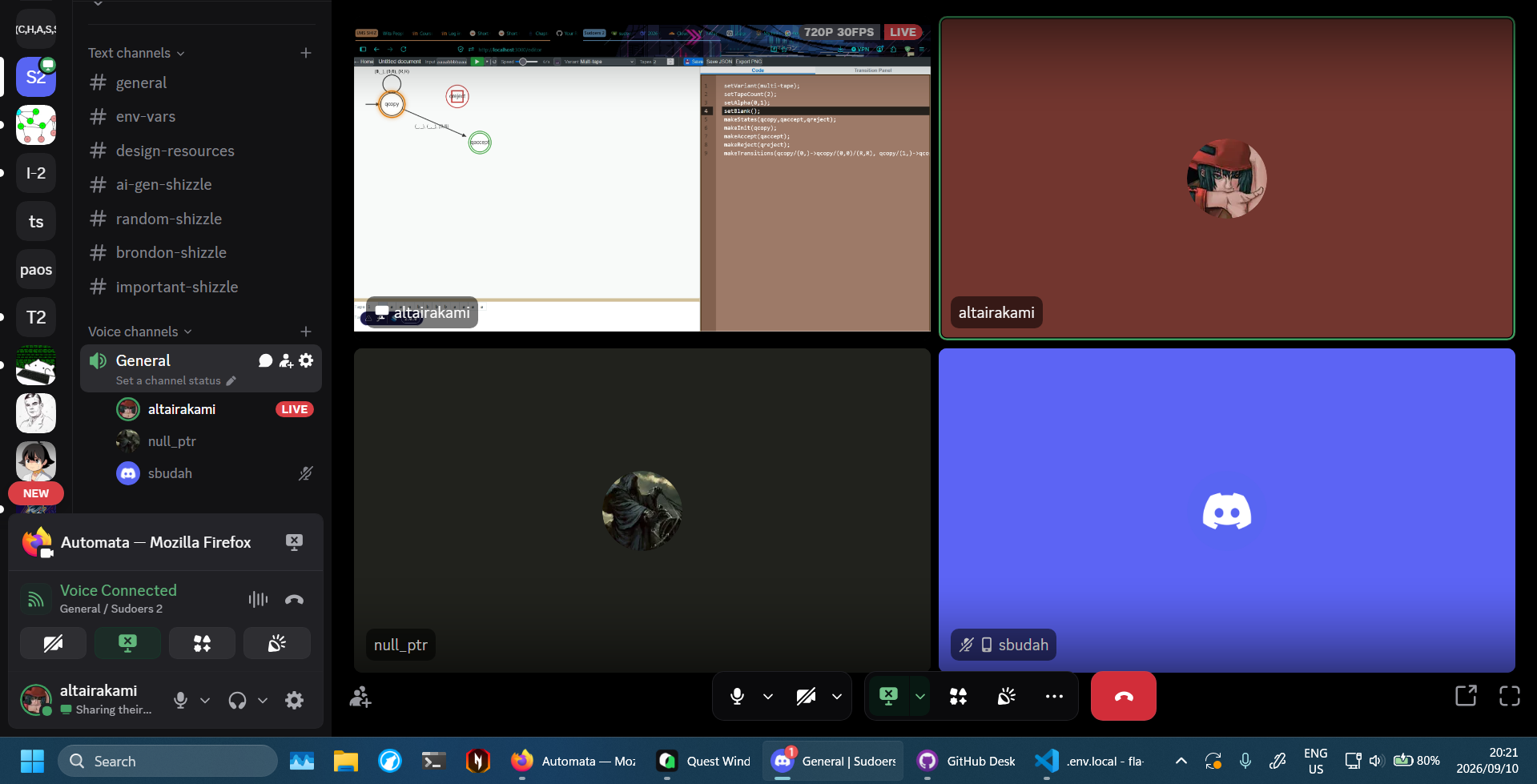
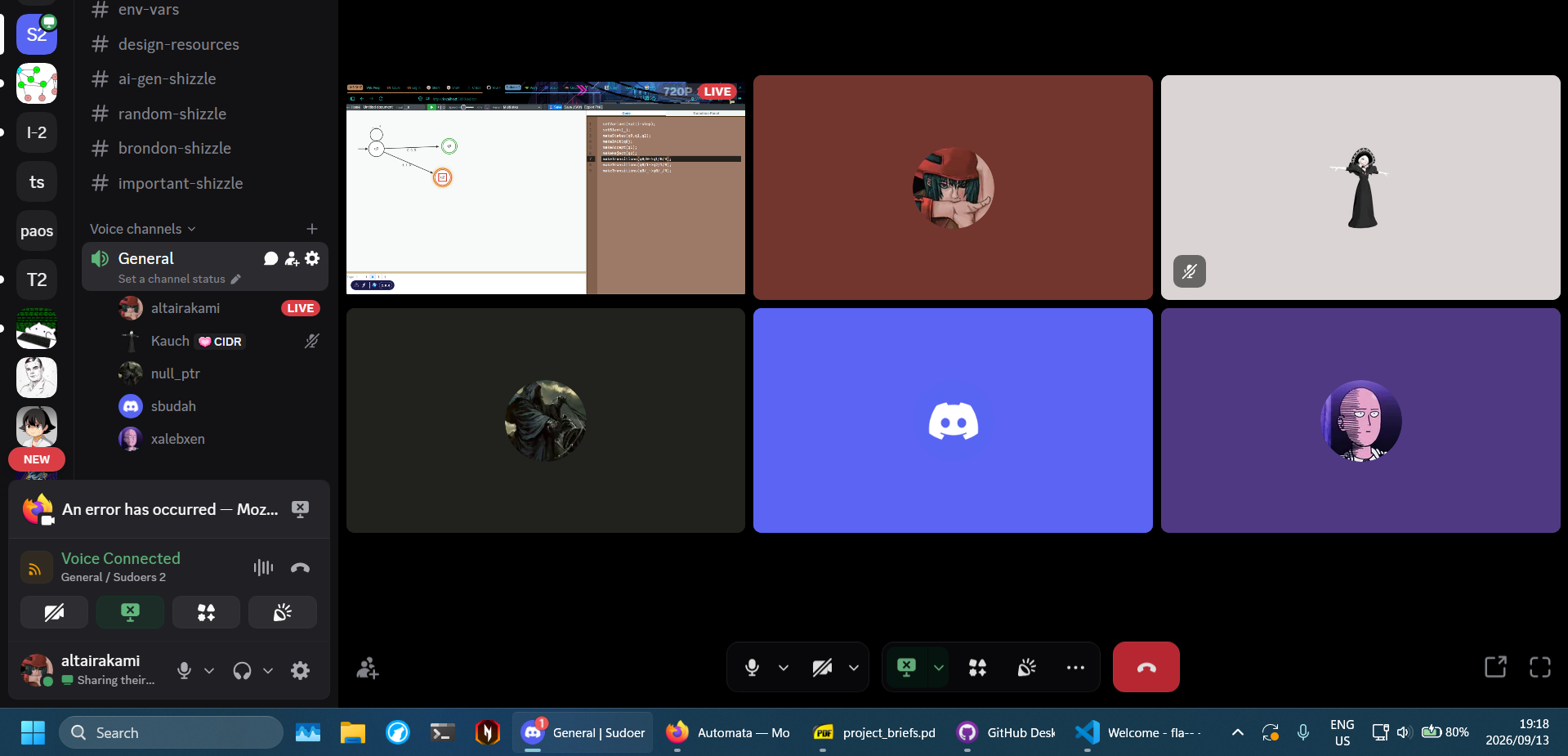
As of Sprint 2, our repository shows 23 issues (19 open, 4 closed) distributed across team members, 35 merged pull requests following our branching strategy, and three documented sprint meetings held via Discord (1, 9, and 10 September 2026), reflecting sustained engagement with this methodology throughout the sprint.
Reference
Schwaber, K. & Sutherland, J. (2020). The Scrum Guide. https://scrumguides.org